
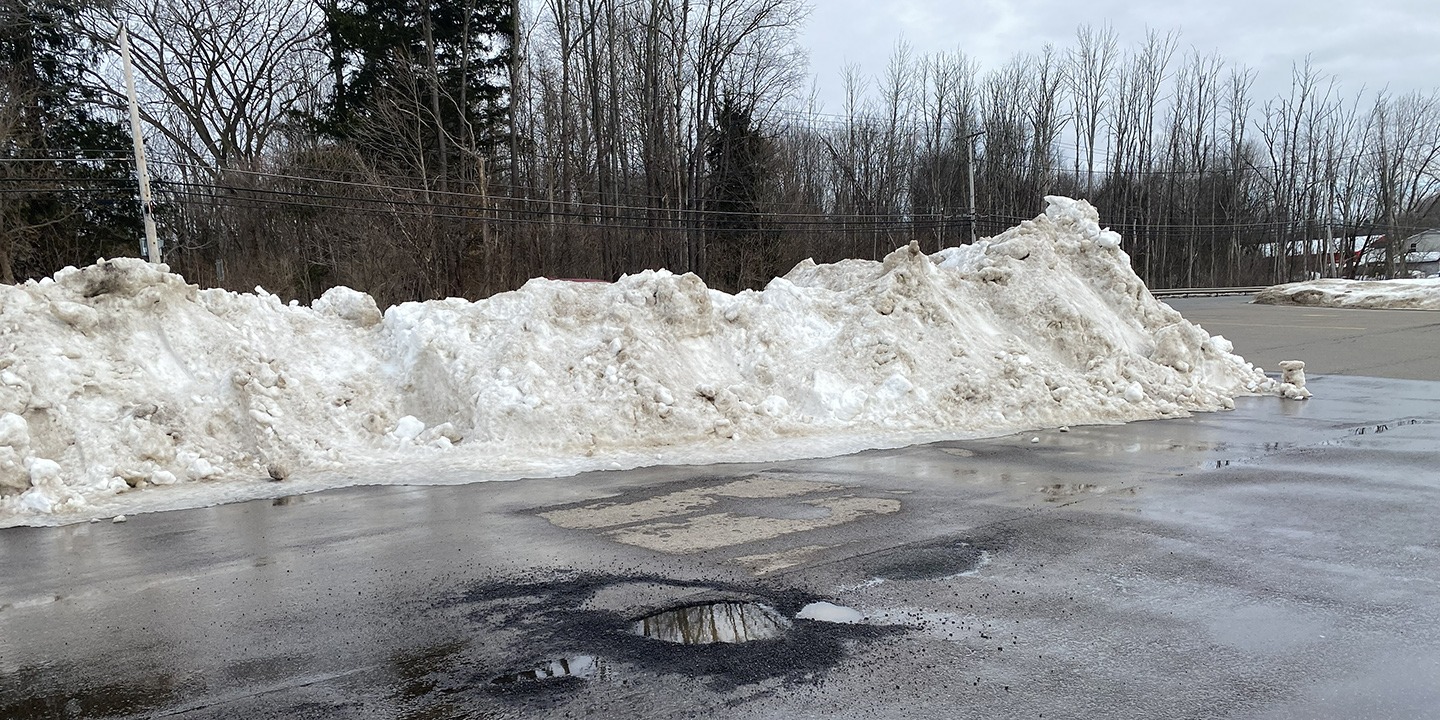
Commercial property owners and facility managers know just how important asphalt pavement is to your property: Not only is it one of the largest portions of your property, it’s also the part that gets the most wear. A parking lot or roadway is expected to handle years of traffic, heavy loads, changing weather, and constant exposure to the elements, all while maintaining safety, appearance, and functionality.
Many people assume pavement simply “wears out” from cars driving over it. In reality, asphalt failures often begin long before surface damage becomes visible. The true forces behind pavement deterioration are the environment above it and the soil beneath it. Climate, geology, moisture, and temperature swings all play a major role in determining how long asphalt lasts and what type of maintenance strategy is required to protect that investment.
Understanding how regional climate impacts asphalt performance helps property managers make smarter long-term decisions, from initial construction to preventative maintenance planning.
Table of Contents
How a Pavement System Is Built
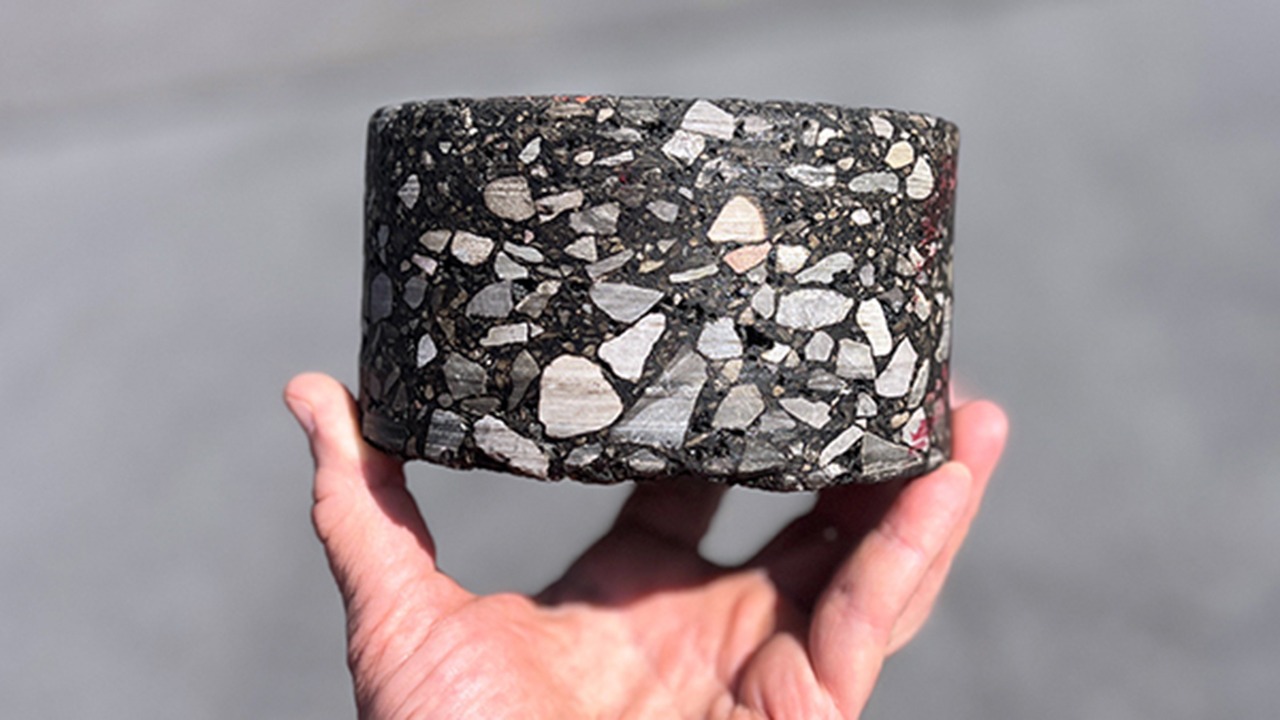
Most people think of pavement as just the black surface they drive on, but asphalt is actually a layered system engineered to distribute weight and resist environmental stress. This system is commonly referred to as the “pavement section,” and every layer serves a specific purpose.
Surface Course
The top layer is the asphalt surface itself, the portion exposed to traffic, sunlight, moisture, and chemicals. This layer provides ride quality, skid resistance, and weather protection.
Binder and Base Courses
Below the surface sits the structural backbone of the pavement system. These layers distribute vehicle loads and provide strength. Heavy commercial traffic areas, loading docks, and industrial sites often require thicker or stronger base designs to prevent premature failure.
Sub-base and Sub-grade
At the bottom is the foundation: the natural soil or imported aggregate beneath the pavement. This is where many pavement problems begin. If the soil cannot properly support weight or manage moisture, the pavement above it will eventually fail regardless of surface quality.
That’s why pavement design varies dramatically by region. A parking lot built in Syracuse must be engineered to survive deep freezes and frost heave. A lot in Raleigh must contend with intense heat, humidity, and expansive clay soils. Even when the asphalt surface looks similar, the structure underneath is often fundamentally different.
The Northern Challenge: The Freeze-Thaw War
In northern climates, asphalt pavement fights a constant battle against freezing temperatures and moisture intrusion.
Frost Heave and Pavement Movement
When water seeps into cracks or porous areas of pavement and temperatures drop, ice lenses can form beneath the asphalt. As the water freezes and expands, it lifts sections of pavement upward in a process known as frost heave.
This movement can create visible cracking, uneven surfaces, or “tenting” where pavement sections rise and buckle.
The danger is not just the freezing itself, it’s the repeated freeze-thaw cycle. Pavement may shift upward during freezing temperatures, then settle unevenly when thawing occurs. Over time, these movements weaken the pavement structure and create pathways for even more water intrusion.
How Potholes Form
Potholes are rarely sudden failures. They are the result of a repeated cycle of water infiltration, freezing, expansion, and traffic loading.
Here’s how the process typically unfolds:
- Small surface cracks allow water to penetrate the pavement.
- Temperatures drop and the trapped water freezes.
- Expansion widens the cracks and creates voids beneath the surface.
- Temperatures rise and the ice melts, leaving unsupported gaps.
- Traffic loads compress the weakened area until the surface collapses.
Once potholes begin forming, deterioration accelerates quickly, especially in high-traffic commercial environments.
The Salt Factor
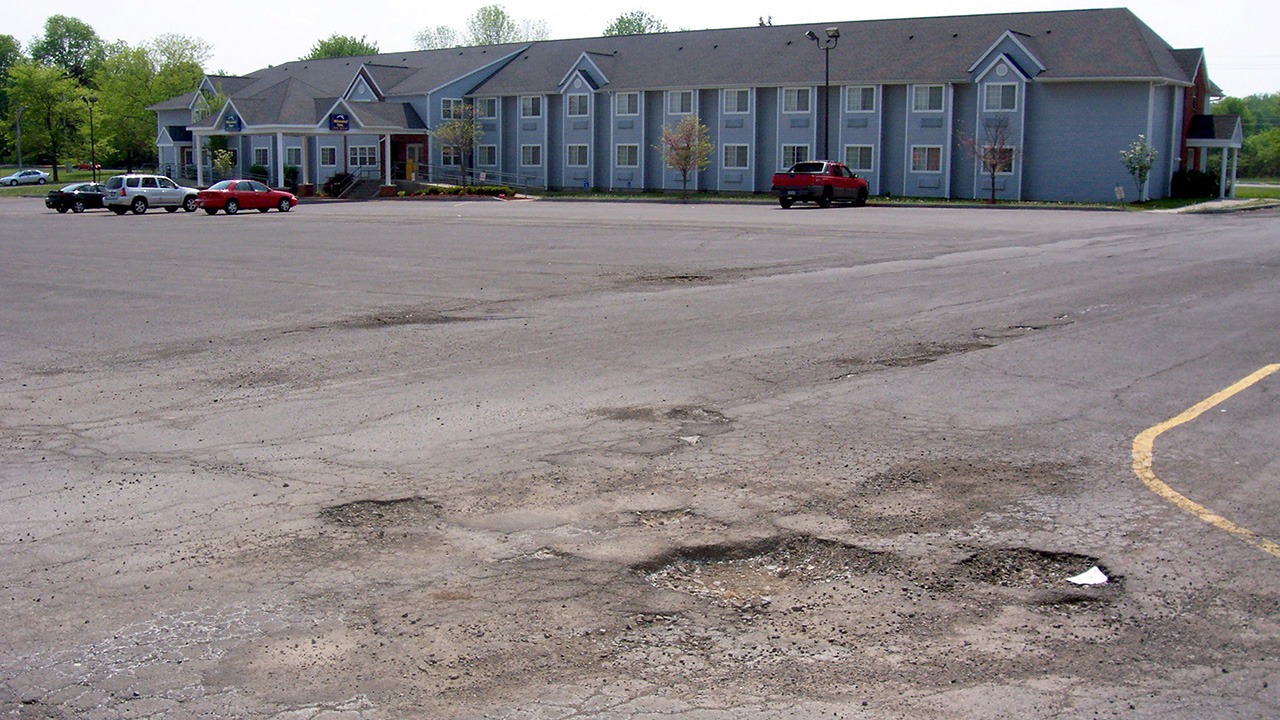
De-icing salts are essential for safety in northern climates, but they can also contribute to pavement deterioration over time.
Certain chemical de-icers may accelerate oxidation and weaken the asphalt binder in some pavement mixes. Salt can also increase moisture retention and contribute to scaling or surface degradation near joints and edges.
For commercial property owners, winter maintenance must balance safety with long-term pavement preservation.
The Southern Challenge: Heat and Humidity
While northern climates battle freezing temperatures, southern states face a different enemy: heat.
Oxidation and Brittleness
Fresh asphalt contains oils and binders that keep the pavement flexible. Over time, sunlight and oxygen slowly break down these components in a process called oxidation.
As oxidation progresses, asphalt changes from deep black to faded gray and becomes increasingly brittle. This brittleness makes pavement more vulnerable to cracking under traffic loads and thermal expansion. Once cracks develop, water infiltration accelerates the deterioration process.

Softening and Rutting
Extreme heat can also soften asphalt surfaces, particularly in areas exposed to heavy truck traffic or constant turning movements. In loading zones, delivery areas, and entrances, softened pavement may begin to deform under repeated loads. This creates depressions or wheel-path ruts that collect water and further stress the pavement structure.
The issue is especially common in commercial facilities with frequent delivery vehicles or concentrated traffic patterns.
The Humidity Problem
Humidity creates another challenge in southern climates by affecting the moisture content of the underlying soils.
When excess moisture becomes trapped in the sub-grade, the pavement structure loses stability. Over time, this movement can lead to fatigue cracking, commonly known as “alligator cracking” because of its reptile-like appearance.
Once alligator cracking develops, surface repairs alone are often ineffective because the structural failure originates deeper within the pavement system.
The Mid-Atlantic Middle Ground: Virginia & Maryland
Virginia and Maryland occupy an interesting position between the colder northern climate and the hotter, more humid conditions found farther south. For commercial property owners and facility managers, that means pavement has to be prepared for a little bit of everything.
The Mid-Atlantic can experience meaningful freeze-thaw cycles during the winter, particularly in northern and inland areas. Those cycles can allow moisture that has entered the pavement system to freeze, expand, and create movement beneath the surface. At the same time, summers bring high temperatures, humidity, intense sunlight, and heavy rainfall, all of which can accelerate asphalt oxidation and moisture-related deterioration.
Coastal and Tidewater areas introduce another consideration: water. Higher humidity, heavy rainfall, and high water tables can make subgrade moisture management especially important. Even when temperatures are not extreme, excess moisture beneath the pavement can weaken supporting soils and contribute to settlement, rutting, and structural cracking.
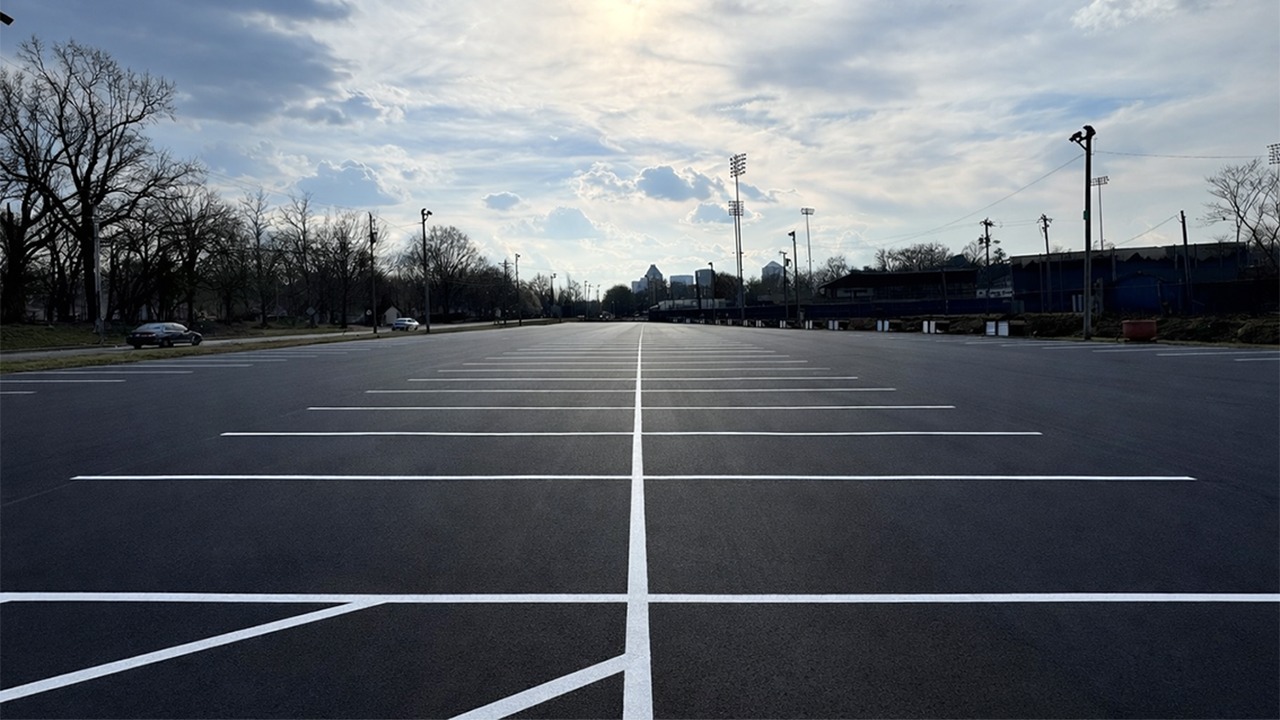
The geology also varies significantly across Virginia and Maryland. Clay-heavy soils are common in portions of the Piedmont, while sandier soils become more prevalent toward coastal areas. That means there isn't a single drainage or subgrade strategy that works everywhere. Soil conditions need to be evaluated as part of the pavement design rather than treated as an afterthought.
For Mid-Atlantic properties, the goal is balance. Pavement needs enough protection against winter moisture and freeze-thaw movement without overlooking the heat, UV exposure, humidity, and heavy rainfall that arrive during the warmer months.
In other words, a commercial pavement system in Virginia or Maryland shouldn't simply copy a northern specification or a southern one. A better regional pavement strategy accounts for the transition-zone climate and pairs the right pavement design with a maintenance plan that addresses both cracking and surface oxidation.
For properties in Northern Virginia, working with a local team familiar with these conditions can make that process much more straightforward.
Geology Matters: Limestone vs. Granite
Not all pavement materials are created equal. The stone used in asphalt mixes varies by region based on local geology, and those materials influence pavement performance in important ways.
New York and Limestone Aggregates
In many northern regions, limestone is abundant and cost-effective. It provides good structural strength and works well in many pavement applications.
However, limestone aggregates can become polished over time under heavy traffic. As the stone surface smooths out, skid resistance may decrease, particularly in areas with high braking activity or wet conditions.
North Carolina and Granite Aggregates
North Carolina commonly uses granite-based aggregates, which are harder and more durable than limestone.
Granite offers excellent friction properties and long-term wear resistance, making it highly effective for high-traffic pavement applications. However, the material can also be more abrasive on paving equipment and may increase operational wear during installation.
Why Local Materials Matter
Transporting aggregate materials long distances dramatically increases construction costs. That’s why most pavement systems are designed around locally available stone.
The key is understanding the strengths and limitations of those materials and adapting maintenance strategies accordingly. Different aggregate types respond differently to polishing, weathering, moisture, and traffic stress. A pavement maintenance plan that works in one region may not be effective in another.
The Ground Beneath Your Feet: Why Subgrade Matters
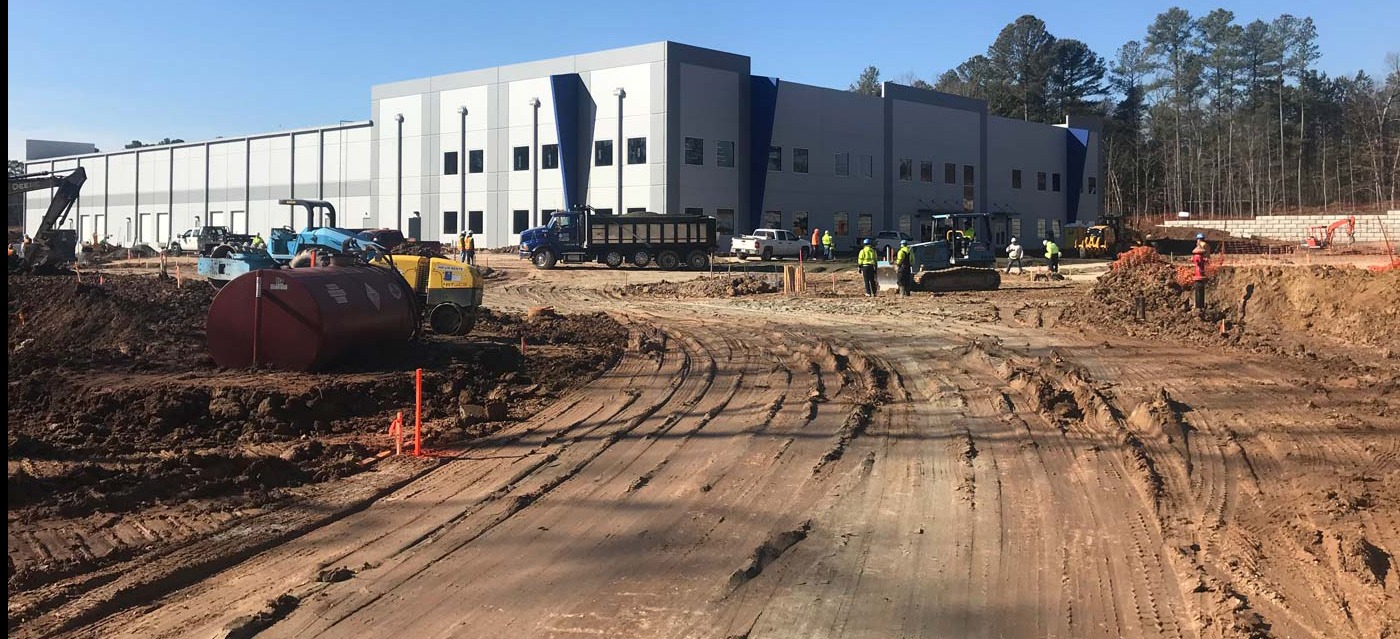
No pavement system is stronger than the soil supporting it. Sub-grade conditions are one of the most important factors affecting pavement longevity.
The North Carolina Clay Problem
Many areas of North Carolina contain heavy clay soils that behave very differently from granular soils found in other regions.
Clay holds water like a sponge. When saturated, it loses load-bearing capacity and becomes unstable. During dry periods, it shrinks and contracts, creating movement beneath the pavement structure.
This constant expansion and contraction places stress on the asphalt above it, contributing to cracking and settlement.
Drainage Is Everything
Regardless of climate, water is the single greatest threat to pavement longevity.
In freezing climates, pavement systems are often designed with open-graded stone bases that allow water to drain quickly before freezing can occur.
In clay-heavy southern environments, contractors may use soil stabilization techniques such as lime treatment or cement treatment to improve soil strength. Thicker stone bases may also be installed to “bridge” weaker sub-grade conditions.
Without proper drainage and soil preparation, even a newly paved parking lot can begin showing signs of failure far sooner than expected.
Actionable Maintenance Strategies for Property Managers
The good news is that climate-related pavement deterioration can often be slowed significantly through proactive maintenance.
The key is tailoring maintenance strategies to regional environmental conditions.
Northern Climate Strategy: Prioritize Crack Sealing
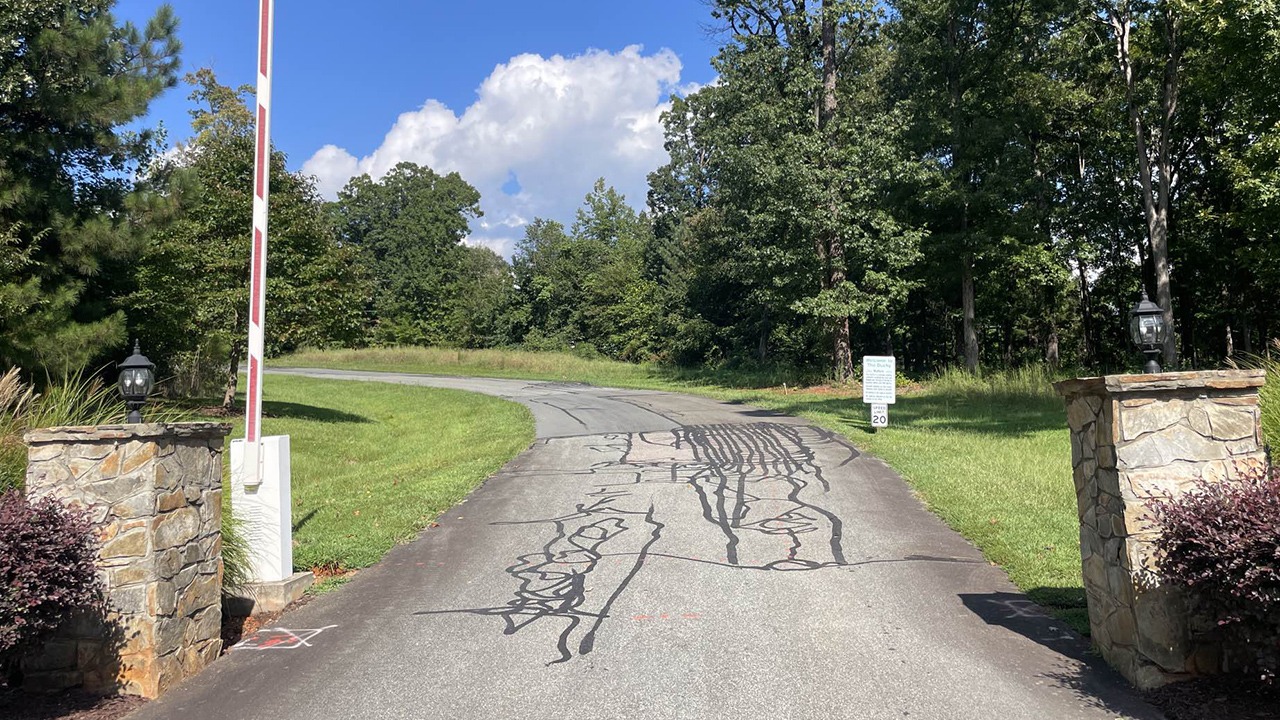
In northern states, crack sealing is one of the most important preventative maintenance services. The goal is simple: keep water out before freezing temperatures arrive.
Sealing cracks early helps prevent moisture intrusion, frost heave, and pothole development. Waiting too long allows small cracks to expand into major structural failures.
For commercial properties in freeze-thaw regions, annual pavement inspections before winter are critical.
Southern Climate Strategy: Invest in Sealcoating
In southern climates, UV exposure becomes a primary concern. Sealcoating helps protect asphalt from oxidation by creating a protective barrier against sunlight, oxygen, water, and chemical exposure.
Regular sealcoating can help preserve flexibility, maintain appearance, and slow surface deterioration caused by intense heat.
The Universal Rule: Water Is the Enemy
No matter where your property is located, water management is essential. Property managers should routinely inspect:
- Catch basins
- Storm drains
- Curbing
- Drainage swales
- Low spots with standing water
Poor drainage accelerates virtually every form of pavement failure, from potholes to alligator cracking.
Preventative maintenance is almost always more cost-effective than major reconstruction.
The Asphalt Lifecycle Timeline: What to Expect Year by Year
The exact lifespan of pavement varies based on traffic, drainage, construction quality, climate, soil conditions, and the original pavement design. But a general asphalt lifecycle can help facility managers understand what to watch for at each stage.
Years 0-2: Protect the New Pavement
During the first couple of years, the focus is on allowing the new pavement system to cure, settle, and perform under normal traffic conditions. This is also an important time to establish a baseline for the property's condition.
A professional inspection can identify drainage problems, unexpected settlement, construction-related issues, or areas experiencing unusual traffic stress before they become larger problems.
This is also the time to document the pavement's condition. Photos, inspection notes, and repair records give property managers something to compare against during future inspections.
Years 3-7: Start Proactive Maintenance
By this stage, the pavement has experienced several seasons of traffic and weather. Small cracks or areas of surface wear may begin to appear, and this is where regional climate should start dictating the maintenance strategy.
In northern areas, crack sealing becomes particularly important because the goal is to keep water from entering cracks before another freeze-thaw season. In warmer southern areas, surface preservation treatments may help slow oxidation and protect the asphalt from prolonged UV exposure.
In the Mid-Atlantic, the maintenance approach needs to account for both. Property managers should monitor cracking and moisture intrusion while also watching for surface oxidation and weather-related wear.
The important point is timing. Maintenance performed while problems are still relatively minor can help prevent them from becoming structural failures.
Years 8-15: Repair, Preserve, and Watch the Base
As pavement moves into the middle portion of its service life, maintenance becomes increasingly focused on managing accumulated wear.
This may include targeted pavement repairs, surface treatments, crack sealing, drainage improvements, or other corrective work depending on the property's condition. High-traffic areas such as entrances, loading zones, drive lanes, and dumpster areas deserve particular attention because concentrated traffic can accelerate deterioration.
This is also the point when property managers should start paying closer attention to signs that a problem has moved below the surface.
Alligator cracking, widespread rutting, settlement, recurring potholes, or areas that repeatedly require repair can indicate a base or subgrade problem rather than a simple surface issue. When that happens, continuing to patch the surface may only postpone a larger reconstruction project.
Years 15-25: Resurface or Reconstruct
Around this stage of the asphalt lifecycle, many commercial properties need to evaluate whether the existing pavement can be extended through resurfacing or whether the pavement structure has reached the end of its useful life.
If the underlying base remains structurally sound, milling and overlaying the existing pavement may provide a practical way to restore the surface without completely rebuilding the pavement section.
If the base or subgrade has failed, however, a new surface alone will not solve the underlying problem. That's when more extensive reconstruction may be necessary, potentially including techniques such as full-depth reclamation.
For properties approaching this stage, planning ahead matters. A facility manager who identifies reconstruction needs before the pavement reaches complete failure has more options for scheduling work around tenants, employees, deliveries, traffic, and operating requirements.
Reading the PG Binder Grade for Your Zip Code
Climate doesn't just influence how often pavement needs maintenance. It can also influence the asphalt materials selected during the original design. One specification worth discussing with your paving contractor is the Performance Grade (PG) binder.
You may see an asphalt binder identified with a designation such as PG 64-22. Here, the first number relates to the binder's high-temperature performance, while the second relates to its low-temperature performance. In simplified terms, the first number helps indicate how well the binder is designed to resist softening and rutting in high temperatures, while the second helps address the binder's ability to remain flexible in colder conditions.
That distinction matters because a pavement in Buffalo doesn't experience the same thermal environment as a pavement in Raleigh.
A northern pavement needs to account for significant low-temperature exposure and freeze-thaw conditions. A Raleigh pavement spends much more of its life dealing with heat, UV exposure, and high summer temperatures. Virginia and Maryland sit between those extremes, with a climate that can require consideration of both cold-weather cracking and warm-weather rutting.
The appropriate PG binder grade isn't something property managers should select based solely on the city name. Traffic loading, pavement structure, local specifications, and project conditions all matter.
Ruston's Paving Design and Planning services can help property owners and project teams evaluate the factors that should go into pavement specifications and long-term planning.
Regional Pavement Strategy at a Glance
| Region | Primary Pavement Threat | Key Maintenance Priority | PG Binder Consideration | Drainage Focus |
|---|---|---|---|---|
| New York | Freeze-thaw cycles, moisture, frost heave | Crack sealing and pre-winter inspections | Greater emphasis on low-temperature performance | Prevent water from entering and becoming trapped in the pavement structure |
| Virginia & Maryland | Freeze-thaw + heat, humidity, and rainfall | Balanced crack and surface preservation strategy | Balance high-temperature and low-temperature performance | Manage moisture in variable soils, particularly clay and coastal areas |
| North Carolina | Heat, UV exposure, humidity, and expansive soils | Surface preservation and proactive repairs | Greater emphasis on high-temperature performance | Control subgrade moisture and address weak or expansive soils |
The exact pavement specification and maintenance schedule should always be based on the individual project rather than region alone. Traffic volumes, heavy-vehicle loading, soil conditions, drainage, pavement thickness, and site use can all change what a property needs.
FAQ
Does asphalt last longer in warm or cold climates?
Neither climate is automatically better for asphalt. Both hot and cold environments create different forms of stress.
Cold climates expose pavement to freezing temperatures, moisture intrusion, frost heave, and repeated freeze-thaw cycles. Warm climates expose pavement to high temperatures, UV radiation, oxidation, humidity, and—in some areas—expansive or moisture-sensitive soils.
The more important question is whether the pavement was properly designed for its environment and maintained according to the conditions it experiences.
How often should a commercial lot be sealcoated versus crack sealed?
There is no universal schedule that applies to every commercial property. The appropriate maintenance frequency depends on climate, pavement age, traffic, asphalt condition, and the type and extent of existing deterioration.
In northern climates, crack sealing is particularly important because it helps prevent water from entering the pavement before freeze-thaw cycles occur. In warmer climates, surface preservation treatments can help protect asphalt from oxidation and weather exposure.
Rather than following a calendar alone, property managers should combine a general maintenance timeline with regular pavement inspections. The condition of the pavement should determine when a treatment is actually needed.
What is the best asphalt mix for the Mid-Atlantic?
There isn’t one universal “best” asphalt mix for every Mid-Atlantic property.
Virginia and Maryland encompass a wide range of climates, soils, elevations, traffic conditions, and drainage environments. A pavement serving a heavily loaded industrial facility may require a different design than a lightly trafficked commercial parking lot, even if both properties are located in the same region.
The right mix and PG binder grade selection should account for local temperatures, expected traffic, pavement structure, and project specifications. Subgrade and drainage conditions should also be considered because the strongest asphalt mix cannot compensate for a poorly supported or chronically wet pavement foundation.
Planning for the Long Haul
A long-lasting pavement system is never “one-size-fits-all.” Climate, geology, traffic loads, drainage conditions, and soil composition all influence how asphalt should be designed and maintained. That’s why commercial property owners should avoid thinking of asphalt as a commodity product.
Whether battling freeze-thaw cycles in the north or heat and humidity in the south, successful pavement management starts with understanding the environment beneath your tires and above your head.