
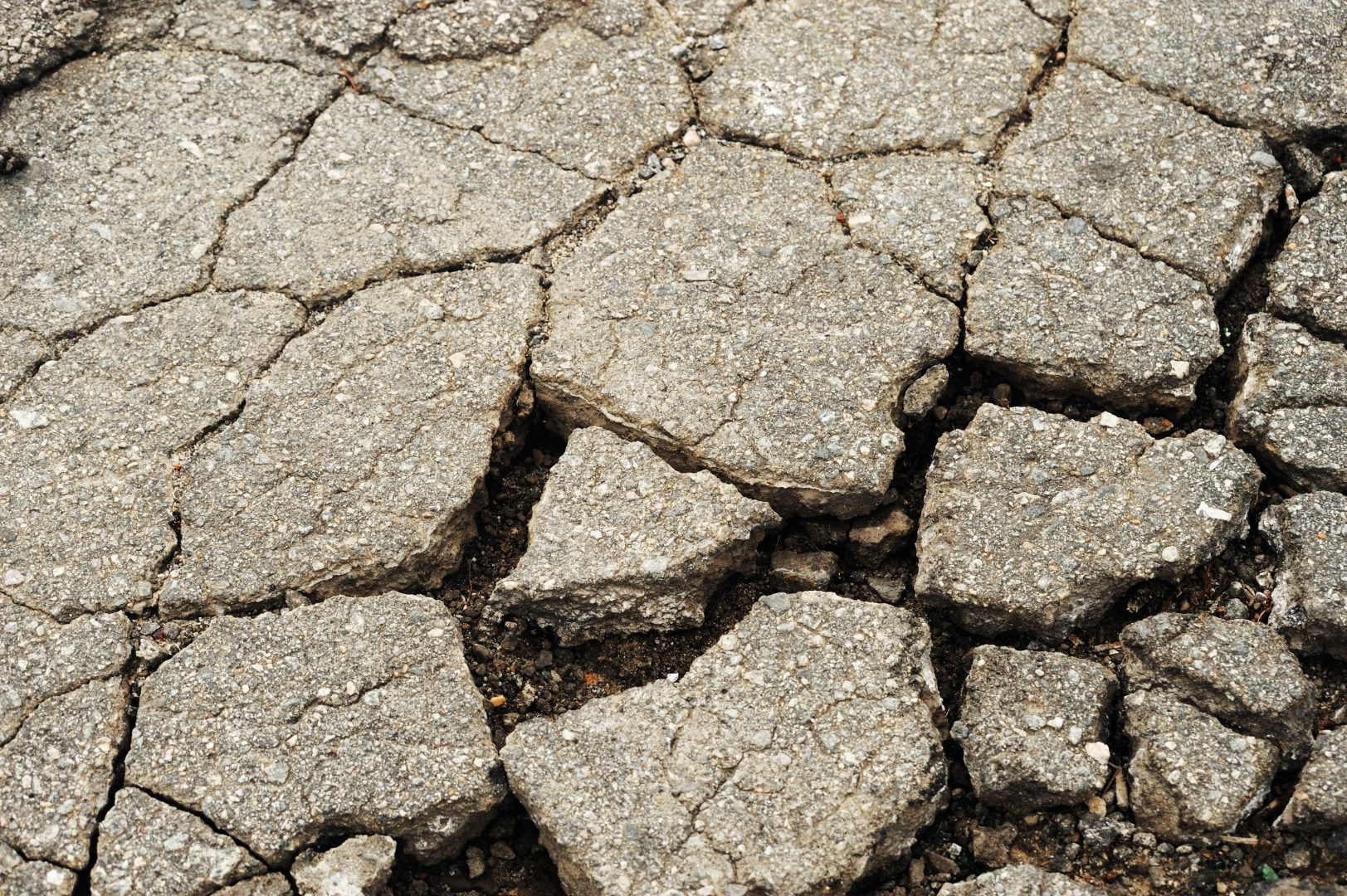
Learn About Ruston Paving’s Plans for Asphalt Recycling for the Future
Commercial and industrial asphalt recycling generates byproducts with every job. As a leader in commercial and industrial asphalt paving, Ruston Paving is looking to implement new practices and procedures for our asphalt recycling efforts.
The environment and our community are important to keep in good condition for companies, families, and children. We look forward to making this world better every day for them. Our company utilizes different processes during a paving project to recycle materials and asphalt as much as possible. Contact Ruston Paving to learn more about how we will reduce waste through new asphalt recycling initiatives and methods.
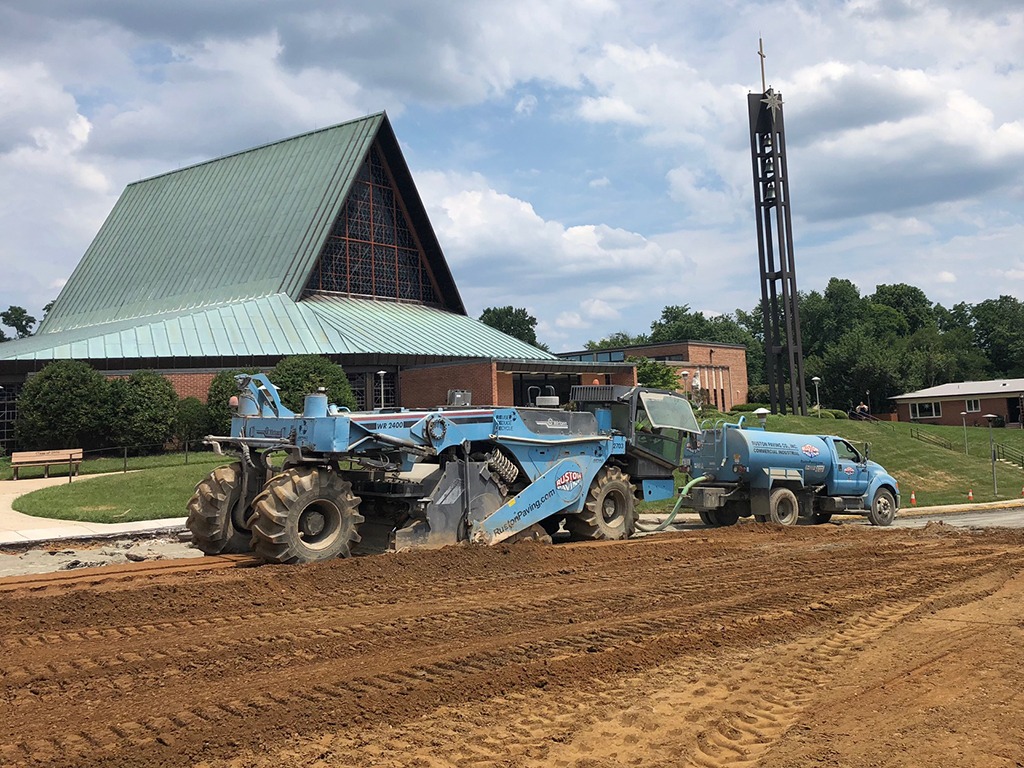
Full Depth Reclamation
Recycle, modify and strengthen the asphalt pavement and underlying base that currently exists on your site.
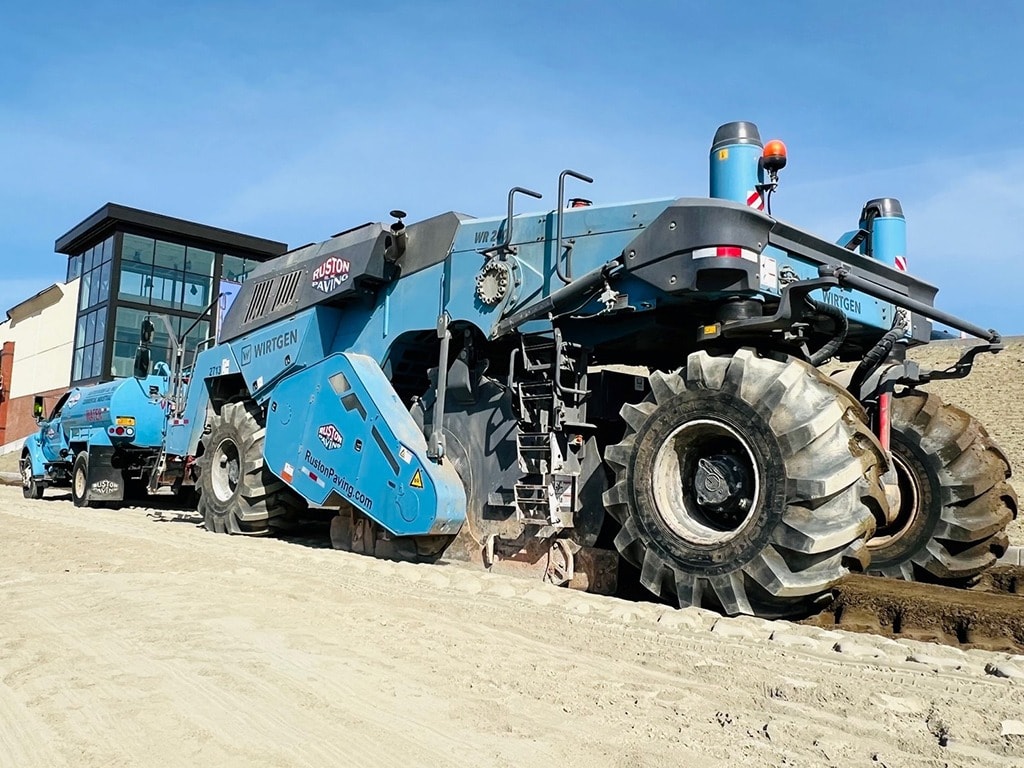
Soil Stabilization
Modify and improve the engineering properties of the soil that currently exists on your site.
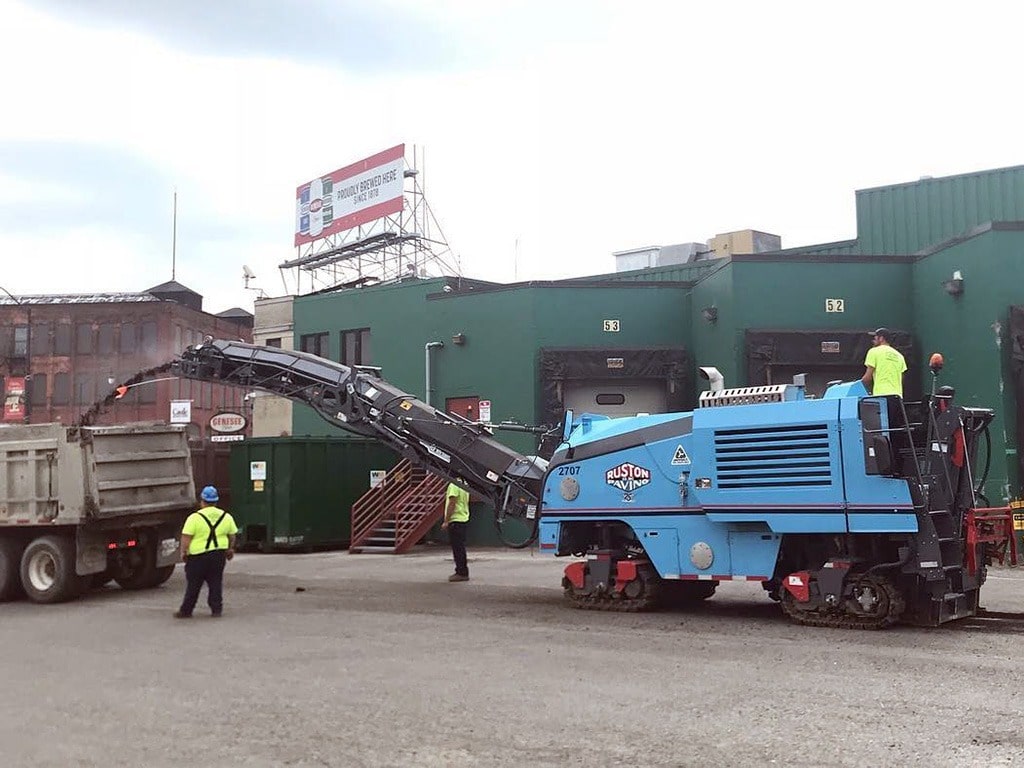
Asphalt Milling
Remove, recycle and replace the top layers of asphalt that currently exist on your site.
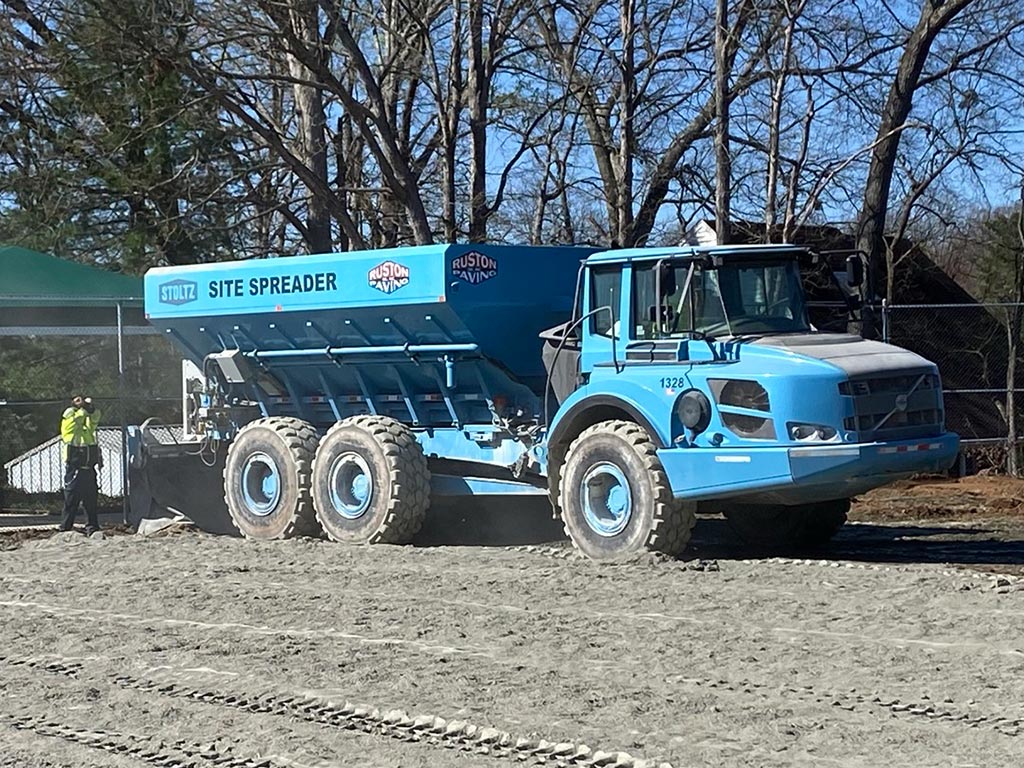
Job Site Drying
Prepare wet or unstable project sites for construction by reducing excess moisture and improving soil conditions before paving begins.

At Ruston Paving, we are deeply committed to environmental stewardship. Our team of skilled asphalt paving contractors takes pride in enhancing each project site, ensuring it exceeds expectations in appearance and performance. We believe in connecting communities and providing safe, durable asphalt and paving projects. Our dedication to sustainability drives us to integrate eco-friendly materials and advanced recycling techniques in our paving projects. By prioritizing the reuse of materials, we significantly reduce the need for new resources, showcasing our commitment to a greener, more sustainable future.
Frequently Asked Questions About Asphalt Recycling
What asphalt materials can be recycled?
Existing asphalt pavement can often be removed, processed, and reused. Depending on the project, asphalt millings and materials processed during full-depth reclamation may be recycled into new asphalt or reused elsewhere on the site.
Where do asphalt millings go?
Asphalt millings are usually taken back to a hot mix asphalt plant, where they can be recycled into new asphalt material. In some cases, the millings may be taken to another project site and used as fill.
What is the difference between asphalt milling and full-depth reclamation?
Asphalt milling removes a set depth from the top of the existing pavement before a new asphalt layer is installed. Full-depth reclamation pulverizes the existing pavement and part of the base beneath it, then blends and compacts those materials to create a new base.
How do you determine which recycling method is right for a project?
The right method depends on the condition of the pavement, the base beneath it, drainage, grades, traffic, and how deep the damage extends. Milling may be a good option when the base is still in good condition. Full-depth reclamation may be recommended when the pavement and base both need to be rebuilt.
How can soil stabilization reduce excavation and material replacement?
Soil stabilization improves the soil already on the site by blending it with lime, Portland cement, or another specified material. When the existing soil can be treated in place, less material may need to be excavated, hauled away, and replaced.
What is the difference between job site drying and soil stabilization?
Job site drying is used to reduce excess moisture so wet soil can be worked and compacted. Soil stabilization is used to improve the soil’s strength and ability to support the pavement or structure above it. The processes may use similar equipment, but they solve different site problems.